

Digestate Valorisation: The Key Element for the Real Profitability of Biogas Projects
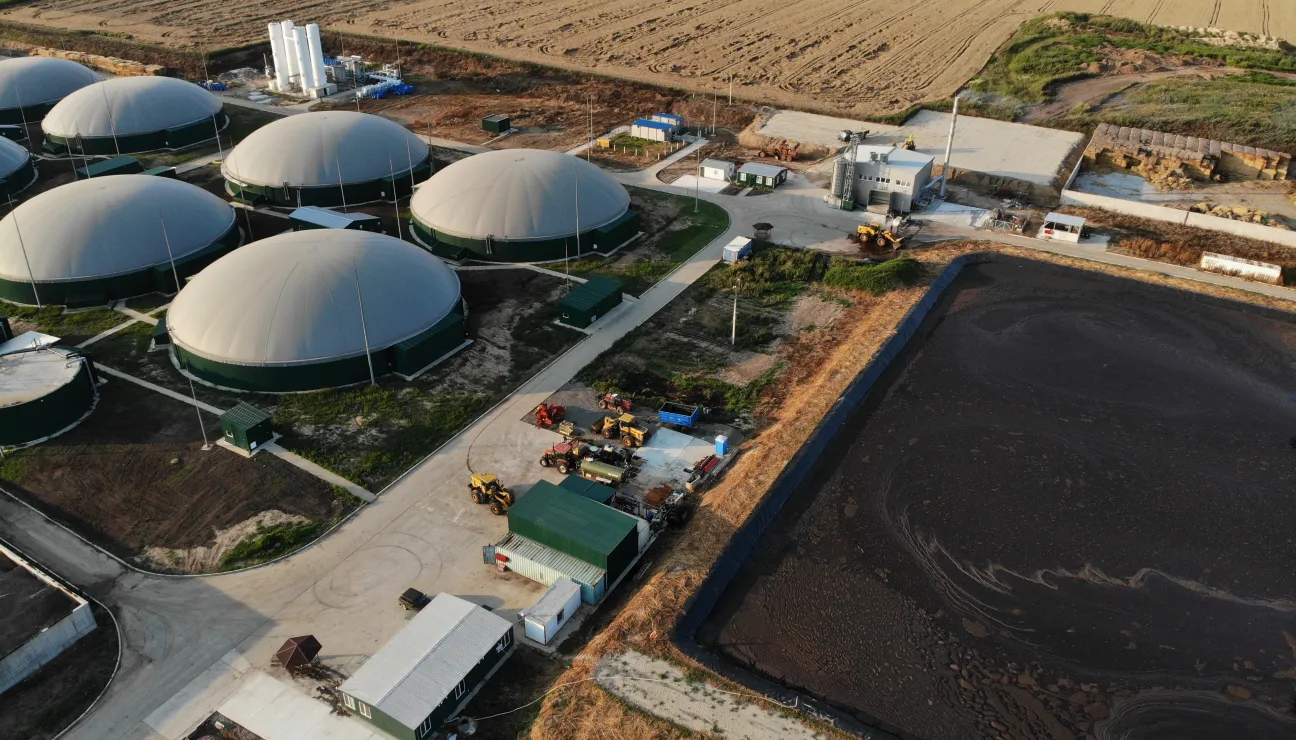
Digestate management has become one of the critical points in the deployment of biogas, especially due to tightening regulations and the real limitations on agricultural application.
When developing new biogas projects, attention is usually focused on feedstock availability, digester technology or biomethane production potential. However, there is a second pillar that conditions both the technical and economic viability of the project: the proper management and valorisation of digestate, taking into account the specific location of each plant.
Although its relevance is evident—both in terms of volume and composition—digestate remains one of the least clearly defined elements during the early design stages. Yet it is precisely at this point that three key aspects are determined: part of the required CAPEX, regulatory compliance and the plant’s final profitability.
Moreover, much of the concern for plant operators lies not so much in digestate generation itself, but in spreading limits: maximum admissible nitrogen quantities per hectare, increasingly extensive nitrate vulnerable zones, application windows constrained by weather conditions and, in many cases, insufficient or already saturated available agricultural land. It is precisely this combination of regulatory restrictions and practical limitations that makes digestate management a critical factor when assessing project viability, within an increasingly demanding regulatory framework—shaped by the Nitrates Directive, the Fertilising Products Regulation or the sustainability criteria of RED III—which requires any valorisation strategy to be fully justified with data.
Digestate analysis: the starting point for its utilisation
The first step in defining a valorisation strategy is to accurately characterise the digestate. At CIRCE, this analysis is addressed as part of a comprehensive methodology combining laboratory work, regulatory knowledge and agronomic expertise. Parameters such as dry and volatile matter content, total and ammoniacal nitrogen concentration, the presence of phosphorus, potassium and micronutrients, the C/N ratio, digestate stability and the possible presence of limiting elements are analysed.
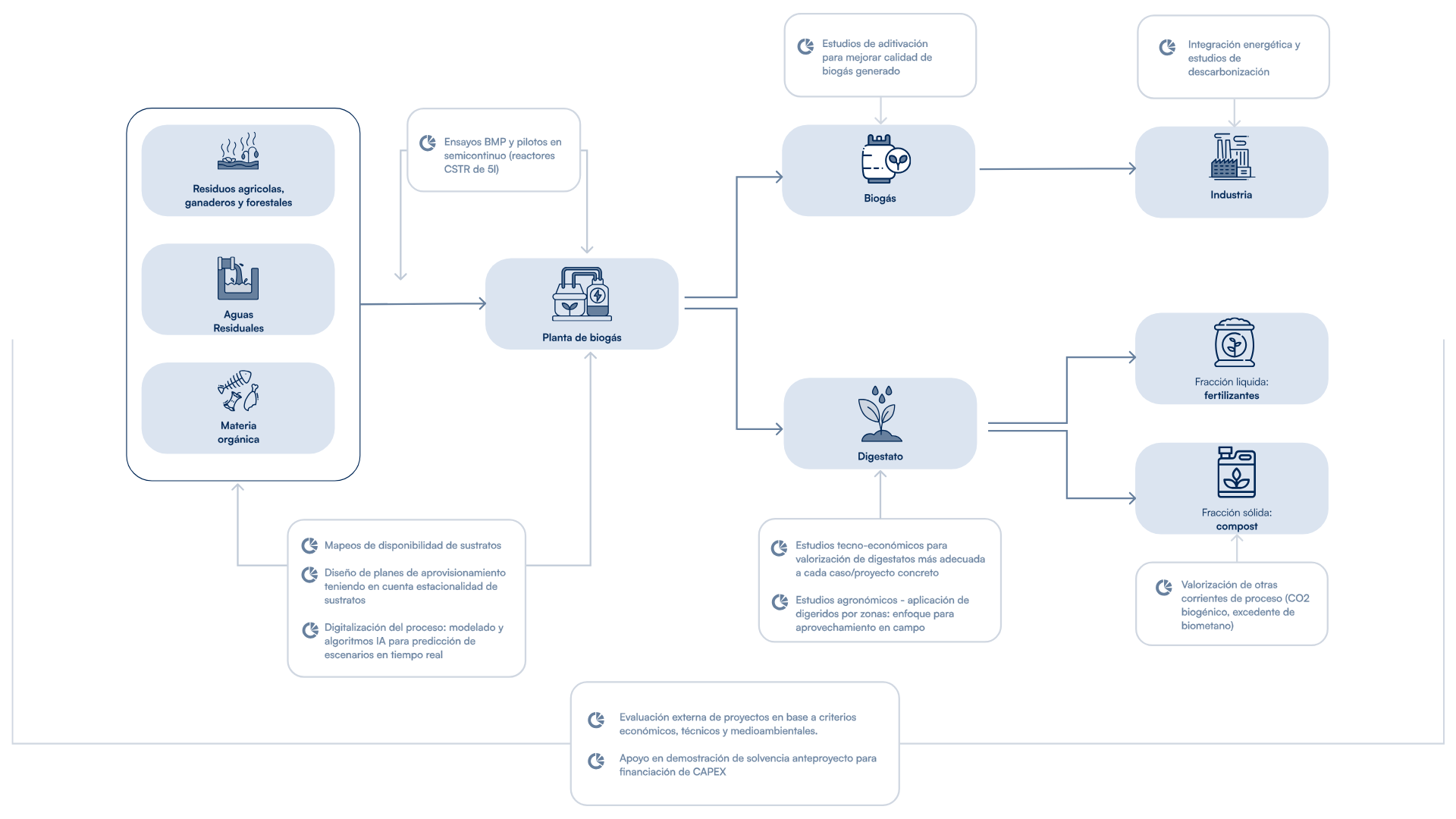
In this chain, digestate valorisation is not an isolated element. It depends on the type of feedstocks entering the digester, the operating conditions of the process, local agronomic and environmental regulations, and the existing market in the plant’s surroundings. Integrating these variables from the design stage helps avoid project oversizing, unnecessary investments and operational bottlenecks.
Based on this information, it is possible to determine the real agronomic potential of the digestate, identify restrictions associated with nitrate vulnerable zones and establish application rate ranges compatible with current regulations.
Agronomic application: real viability in the field
In many projects, the main valorisation route for digestate is agricultural application. This option, which may initially appear straightforward, requires rigorous analysis to ensure that the product is applied where it provides value and not where it could generate environmental risks.
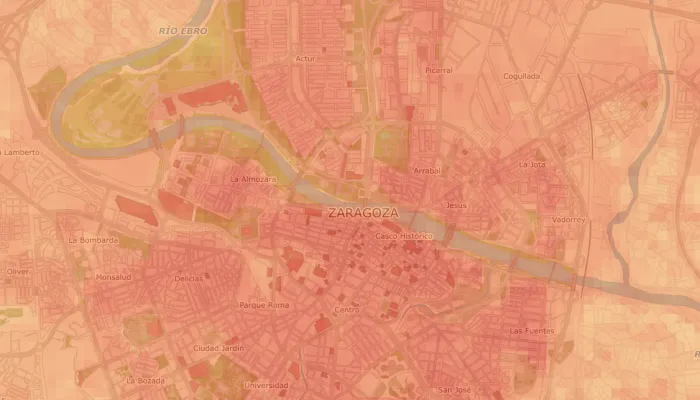
CIRCE carries out soil and crop studies in the plant’s area of influence, identifying crop types, irrigation systems and nutrient uptake capacities. Based on this data, GIS maps are developed showing the maximum applicable doses per plot, in line with regulations and especially with restrictions in vulnerable zones. This work is complemented by climate chamber trials, which allow the assessment of nutrient retention, leaching risk and potential impacts on groundwater.
Where appropriate, additional experimental field validations are conducted, comparing digestate performance with that of conventional mineral fertilisers.
Treatment technologies: selecting only what is necessary
Digestate treatment technology represents a significant part of a project’s CAPEX. Selecting it correctly requires balancing regulatory requirements, market demands and the plant’s operational needs. The goal is not to incorporate as much technology as possible, but only what is strictly necessary to achieve the desired quality and conditions of use.
To this end, CIRCE conducts techno-economic assessments of different alternatives, such as solid–liquid separation, composting, evaporation or drying processes, membrane technologies or ammonia stripping. This comparative analysis enables informed selection of facilities and avoids oversizing that could compromise project profitability throughout its entire lifetime.
Market outlets: who can actually use the digestate
True digestate valorisation is only achieved when there is a market capable of absorbing it on a continuous basis. For this reason, CIRCE complements technical analysis with specific demand studies, identifying farmers with application capacity, composting companies, processors and other potential end users.
Experience in biogas projects shows that digestate valorisation should not be treated as an add-on requirement addressed afterwards, but rather as a strategic component of the business model.
When digestate is properly characterised, agronomic use options have been studied, the right and necessary technology has been selected, real local demand is understood and progress has been made in certification, digestate ceases to be a source of uncertainty. Instead, it becomes part of the project’s value proposition, helping to close the organic matter cycle and reduce the use of fossil-based fertilisers.
In this context, the role of technology centres such as CIRCE is to provide a comprehensive, objective and rigorous approach that combines process engineering, agronomic expertise, economic analysis and regulatory understanding. Only in this way can digestate become what it truly is: an opportunity to improve the profitability and sustainability of biogas projects, rather than a barrier to their development.
If you are developing or assessing a biogas plant and want to review how digestate valorisation fits into your business model, our team can help you analyse the case, size the necessary solutions and reduce technical and regulatory uncertainty.